Engineer boots did not emerge as a single, deliberate design. Like many durable forms of workwear, they evolved gradually, shaped by earlier footwear traditions and practical requirements rather than fashion intent. The silhouette we now associate with the engineer boot reflects centuries of refinement, beginning long before the term itself entered common use.
Riding Boot Precedents
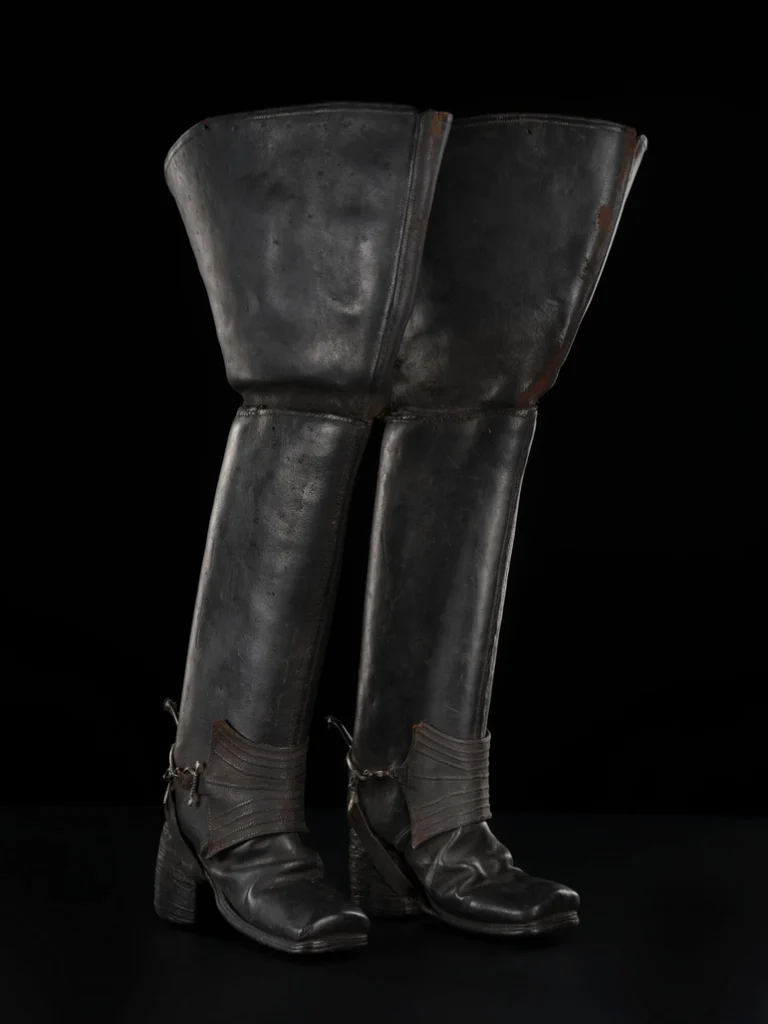
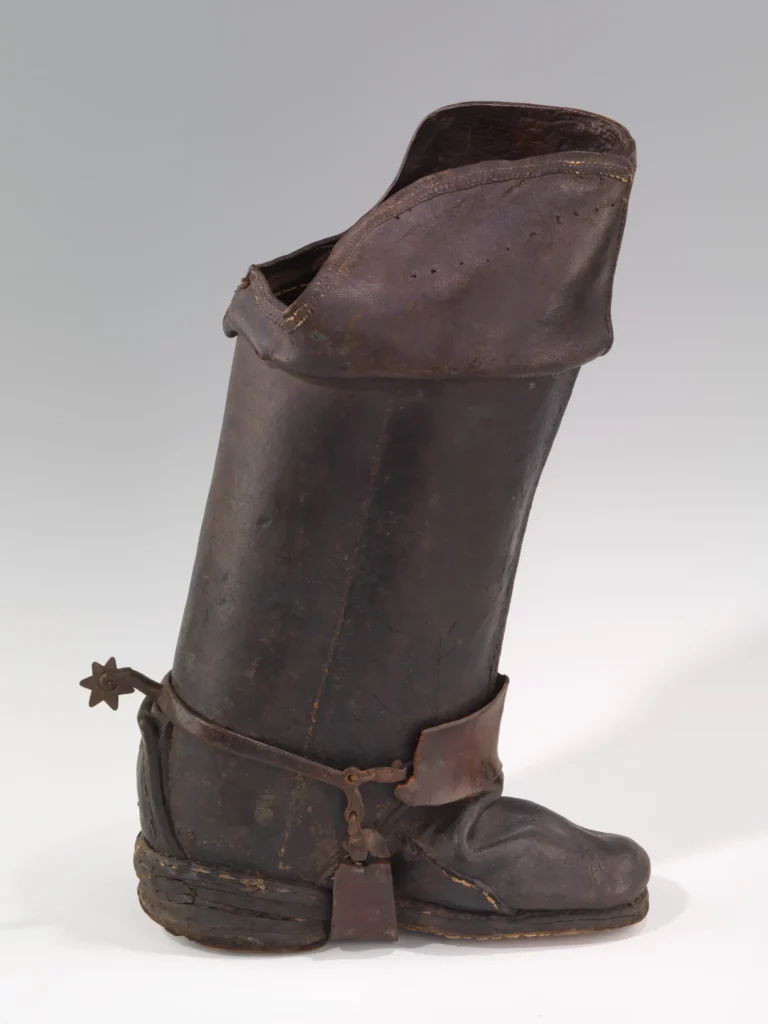
The earliest structural ancestors of the engineer boot can be found in the tall jackboots worn by European cavalry during the seventeenth and eighteenth centuries. These boots were built primarily for stability in the saddle. Their height protected the leg, while rigid leather construction and a pronounced heel helped the wearer remain secure in the stirrup. Pull-on construction and heavy hides made them suitable for prolonged use in demanding conditions.
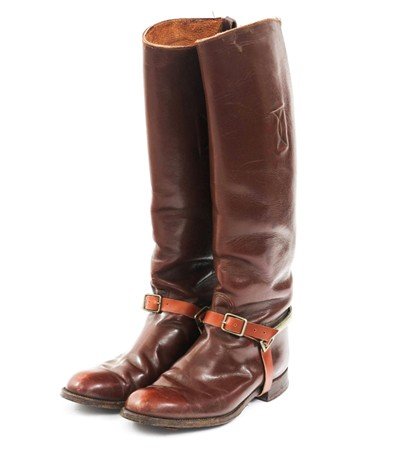
As cavalry equipment evolved, so did the boots. By the late nineteenth and early twentieth centuries, riding boots used by American cavalry units had become cleaner and more restrained in form. They retained tall shafts and substantial leather construction, but ornamentation was reduced and lines became simpler. Some examples from the First World War period already show early strap or buckle elements at the ankle, introduced to improve fit and stability. These functional details would later become defining characteristics of the engineer boot.
The Emergence of the Engineer Boot
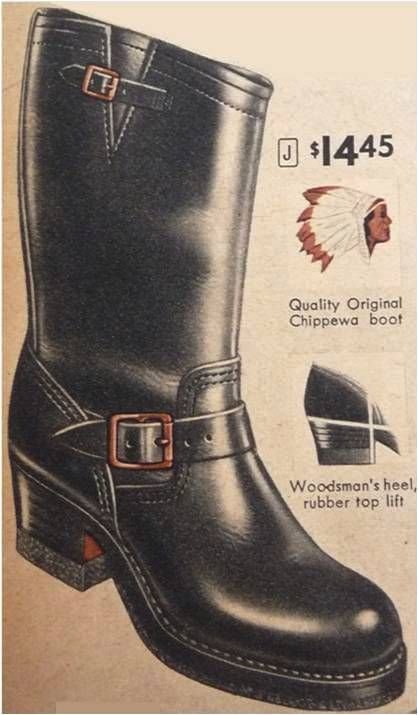
The first boots recognizable as engineer boots appeared in the late 1930s, produced by companies working within the American workwear industry. These manufacturers adapted the proportions and durability of riding boots for industrial environments rather than mounted use.
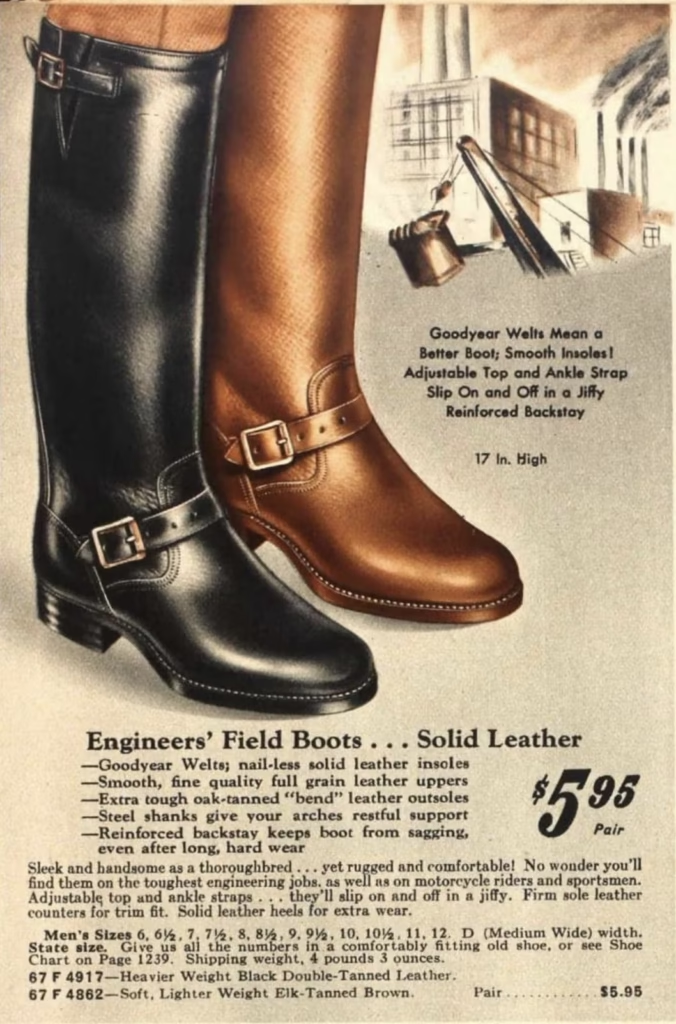
The resulting design was direct and utilitarian. Tall pull-on shafts offered protection to the lower leg, while thick leather resisted abrasion in harsh working conditions. Fit was adjusted through a simple ankle strap rather than lacing. This choice was practical rather than aesthetic, reducing the likelihood of snagging on equipment or machinery. For construction, repair work, and field labor, fewer components meant fewer points of failure.
Clarifying a Persistent Misconception
A frequently repeated claim is that engineer boots were originally designed for steam locomotive crews. This story often focuses on protection from coal embers or shovel blades. While steam locomotives were still in operation during the 1940s, diesel power was already becoming dominant, and contemporary evidence does not support a direct connection between engineer boots and railroad work.
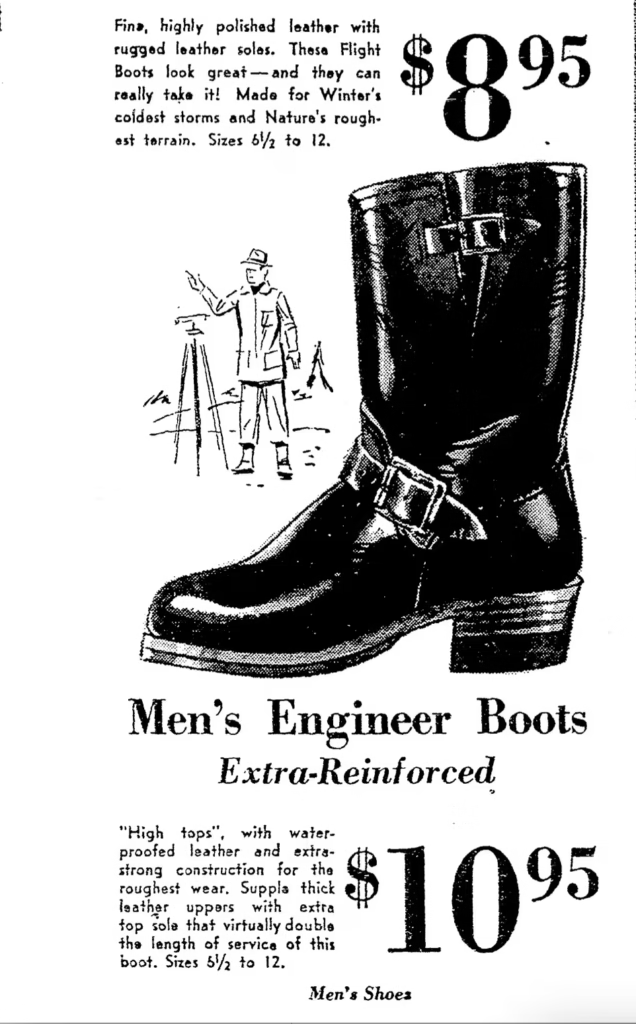
Period advertising places engineer boots in industrial and technical settings such as construction sites, surveying work, and general field labor. The imagery emphasizes durability and utility rather than railway-specific tasks. In this context, the boot should be understood as industrial footwear intended for demanding environments, not as specialized equipment for train crews.
The Meaning Behind the Name
The name “engineer boot” aligns closely with the way workwear was marketed in the early twentieth century. Garments were often labeled according to professions in order to signal intended use and relative skill level. Carpenter pants, painter overalls, and foreman trousers were all common examples.
Within this framework, “engineer” referred broadly to technical and industrial work. The term often implied a higher degree of training or responsibility, and carried an aspirational quality. It was less about describing a specific task and more about addressing the identity of the wearer. The name positioned the boot as serious workwear suited to skilled labor rather than a single trade.
Adoption by Motorcycle Riders
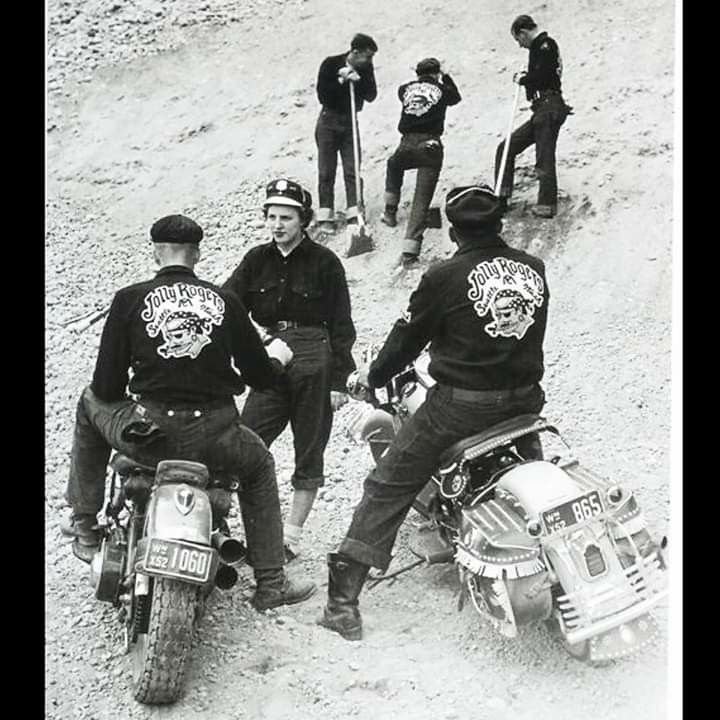
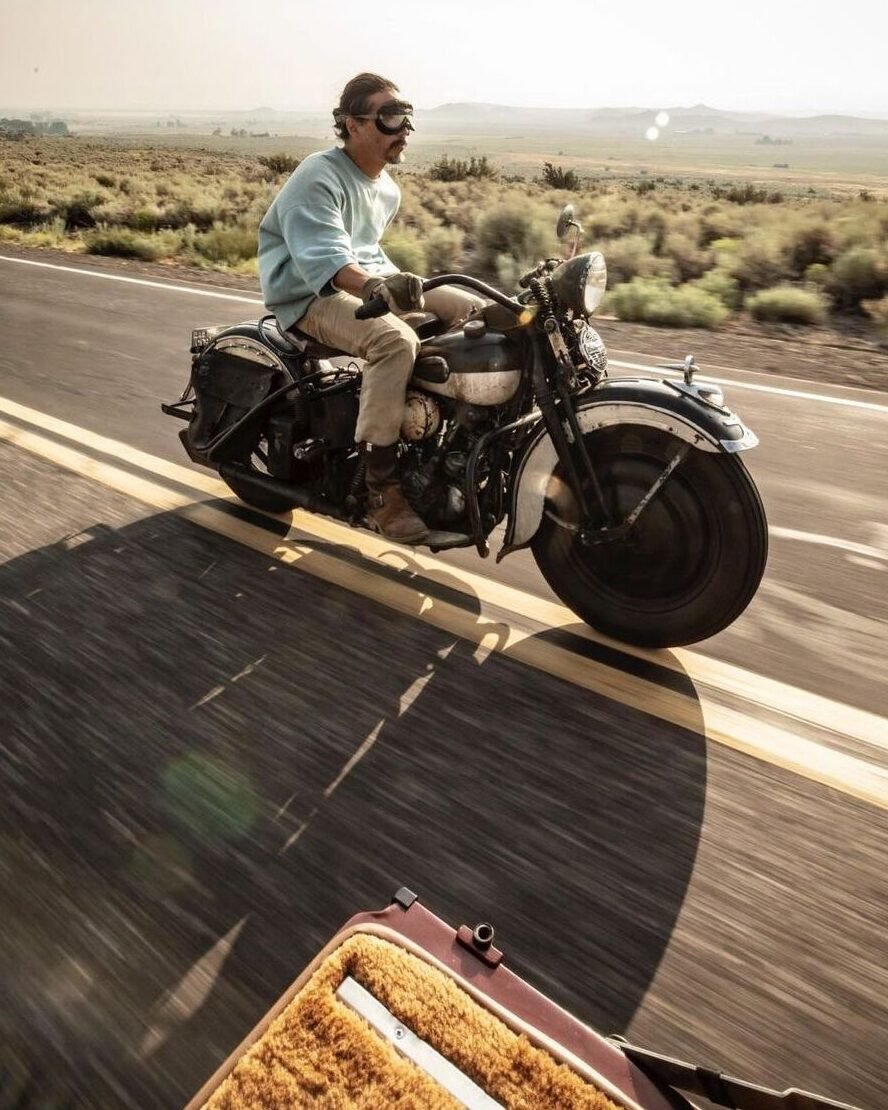
Following the Second World War, engineer boots found renewed relevance among motorcycle riders. The same features that made them suitable for industrial work translated naturally to riding. Tall shafts offered protection, heavy leather stood up to repeated use, and the pull-on design made the boots easy to remove when necessary. The absence of laces further reduced the risk of entanglement with moving parts.
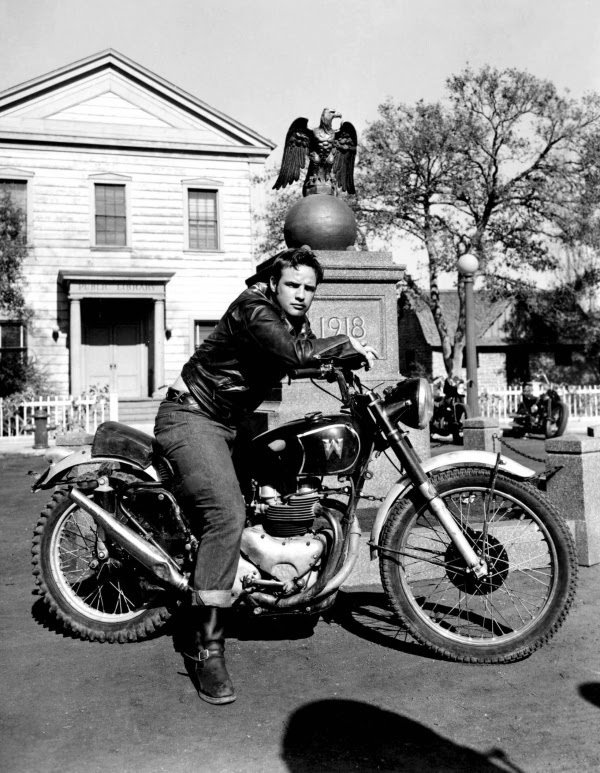
By the early 1950s, the engineer boot had become closely associated with motorcycle culture. This association was reinforced by popular imagery of the period, most notably Marlon Brando’s appearance in The Wild One. Paired with a leather jacket and white T-shirt, the engineer boot became part of a visual shorthand for rebellion and independence. James Dean’s off-screen wardrobe further contributed to this perception. Neither created the boot, but both helped fix it in the public imagination.
Decline and Rediscovery
As American manufacturing shifted in the latter half of the twentieth century, many traditional work boot designs lost their original context. Engineer boots remained in production, but the silhouette often changed. Over time, many versions became heavier or bulkier than earlier examples, drifting away from the simplicity that had defined the original design.
In more recent decades, renewed interest in historical construction and workwear accuracy has brought the original form back into focus. Makers such as Clinch, John Lofgren, Rolling Dub Trio, and Attractions have revisited the engineer boot with careful attention to shape, materials, and proportion. These interpretations draw directly from archival references rather than contemporary trend cycles.
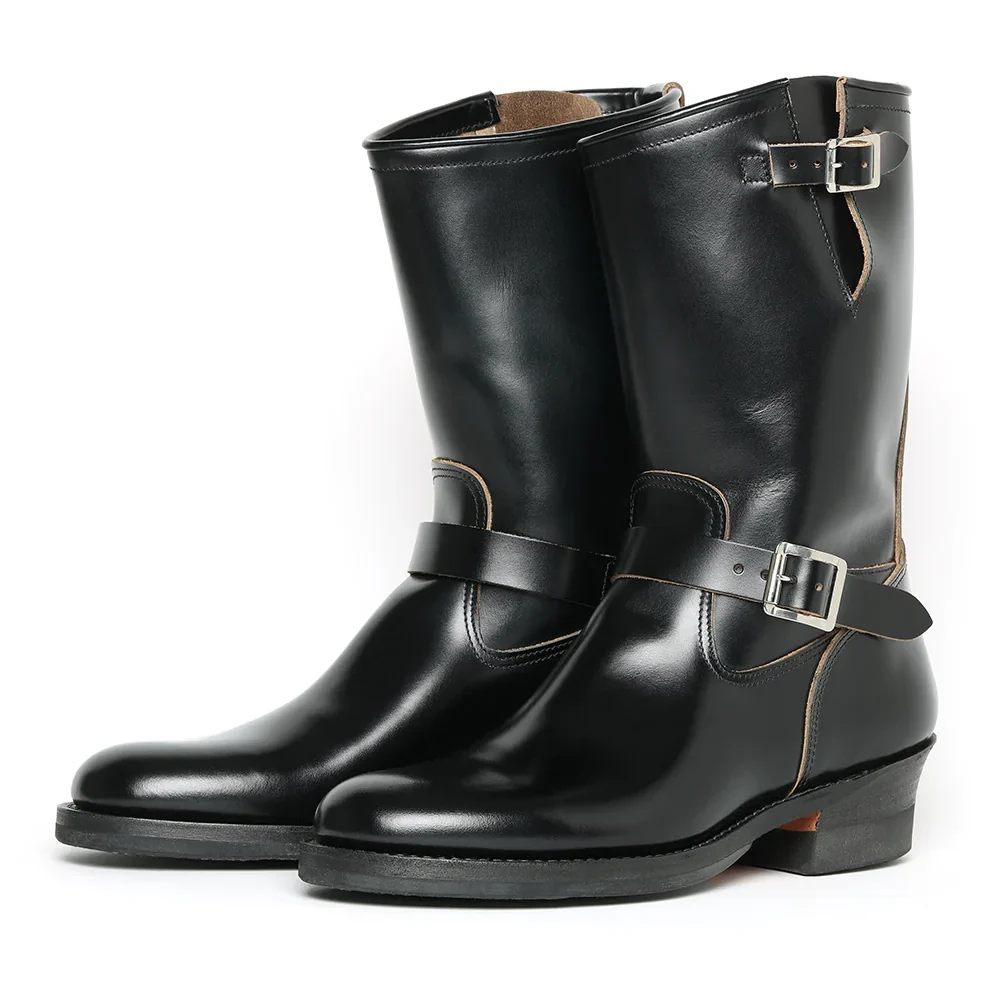
Attractions, Lot. 444.
A Functional Design That Endures
The longevity of the engineer boot lies in its clarity of purpose. From cavalry riding to industrial labor and later motorcycle use, the boot has consistently served environments that demand durability and protection. Its continued relevance is not the result of reinvention, but of restraint. When a design fulfills its function well, it has little reason to disappear.