Before the N-1
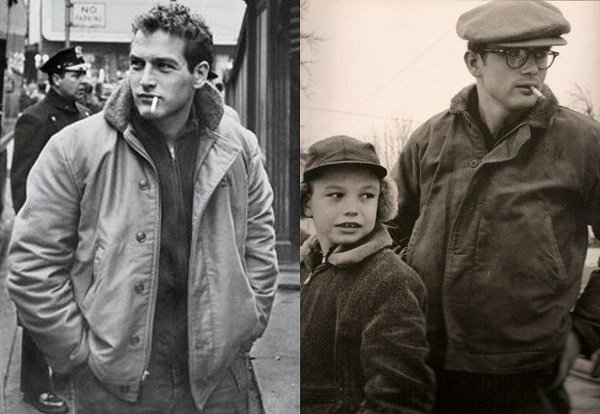
Military garments have a habit of moving beyond their original purpose. Jackets designed for specific conditions often outlive the conflicts that produced them. The N-1 deck jacket is one example.
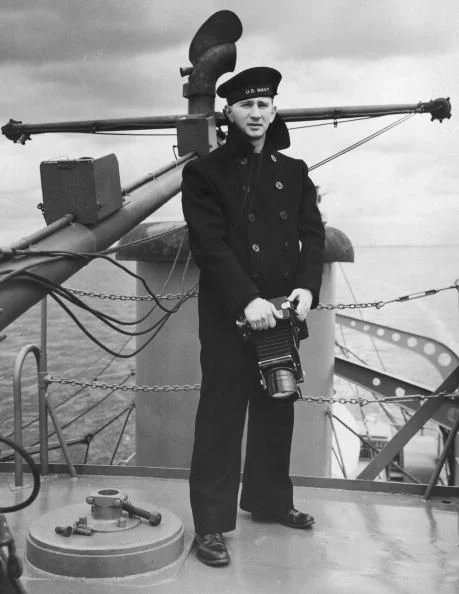
Before the Second World War, U.S. Navy outerwear relied primarily on wool garments. The most familiar of these was the peacoat, a heavy double-breasted coat worn by sailors for decades.
The peacoat worked well for general naval duties. It was warm, durable and relatively simple to produce. But it was not designed for the kind of work increasingly required on exposed decks during wartime operations.
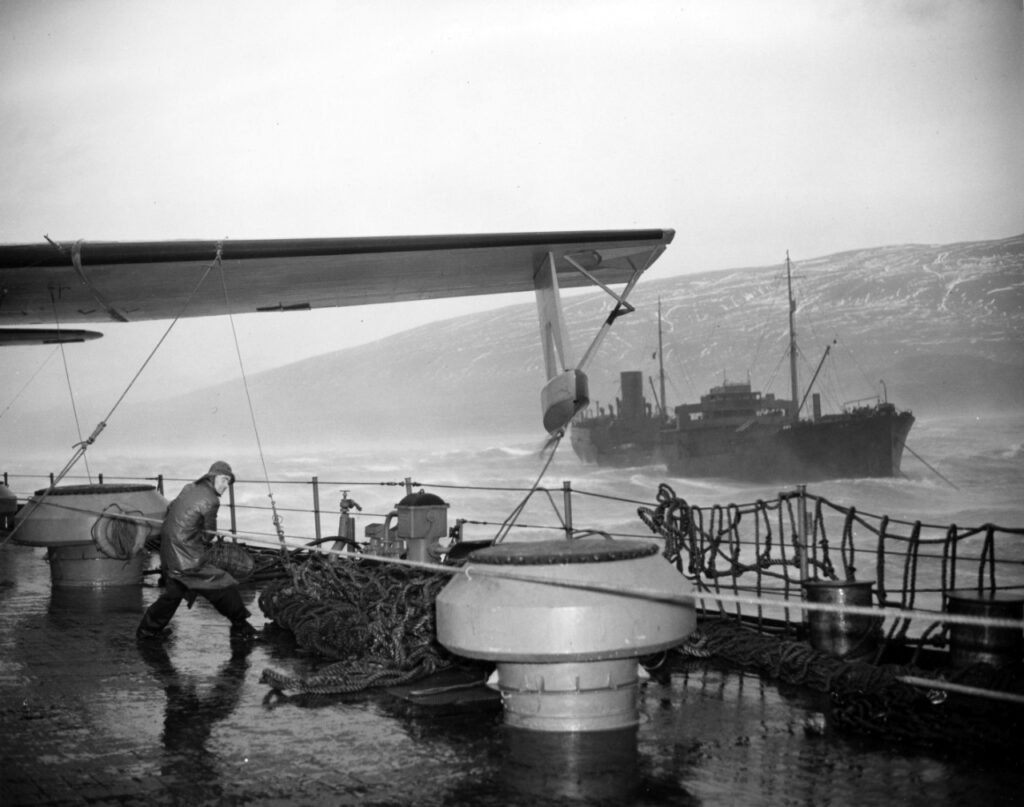
Thick wool absorbed water, became heavy when wet and restricted movement during mechanical tasks. In sheltered environments this mattered little. On the open decks of aircraft carriers and destroyers, it quickly became a problem.
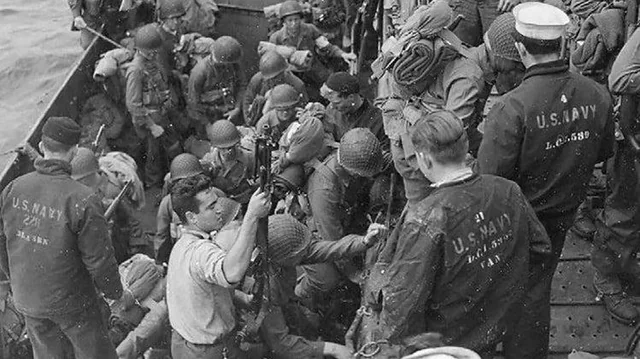
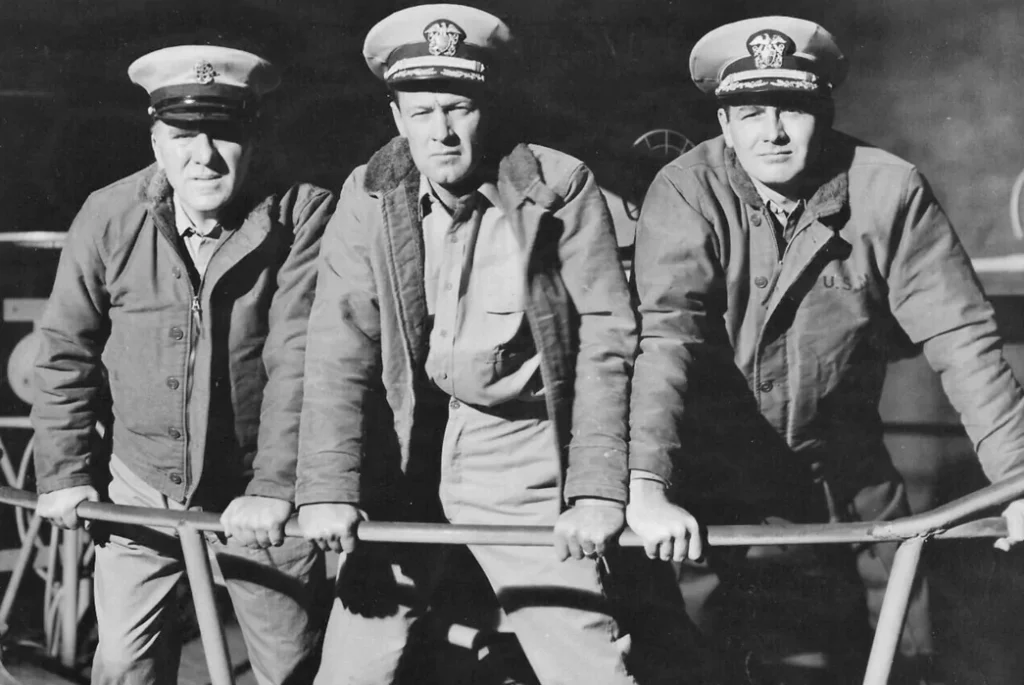
Around 1943 the Navy introduced a new garment intended specifically for those conditions: the N-1 deck jacket.
Engineering for Use
The N-1 was built around a dense cotton shell combined with a heavy pile lining.
The outer fabric was a tightly woven cotton known as jungle cloth, a heavy-duty variation of Bedford cord. The dense ribbed structure gave the fabric excellent wind resistance and durability.
Inside, the jacket was lined with alpaca pile through the body, sleeves and collar. This provided significantly more insulation than earlier wool-lined garments.
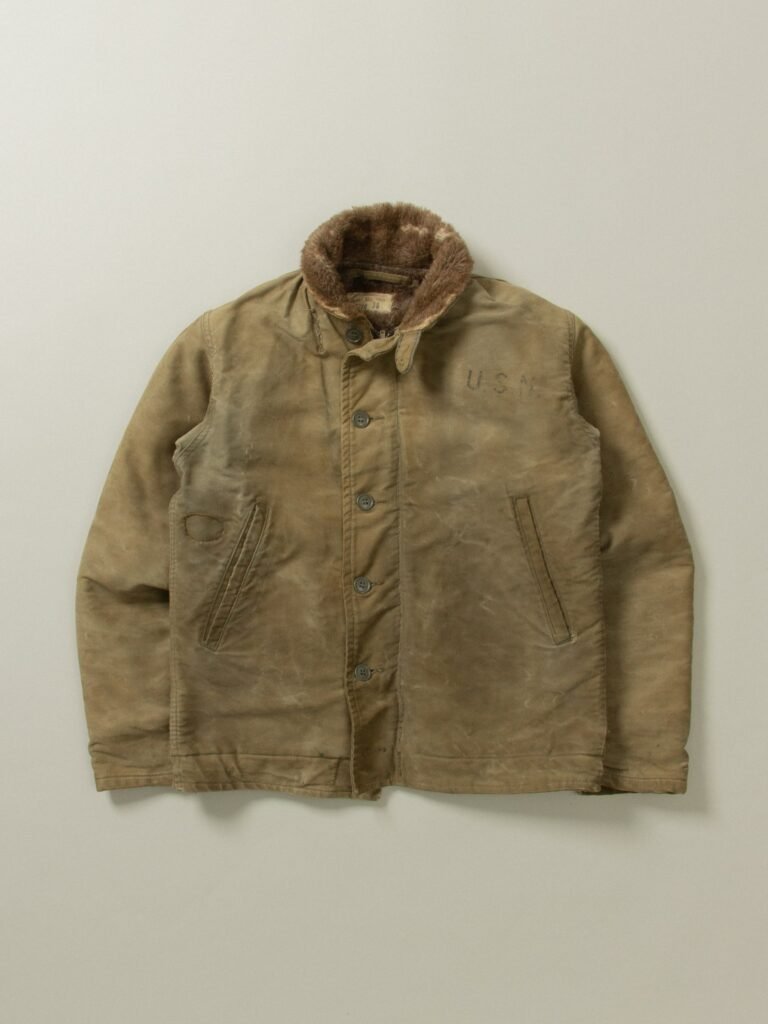
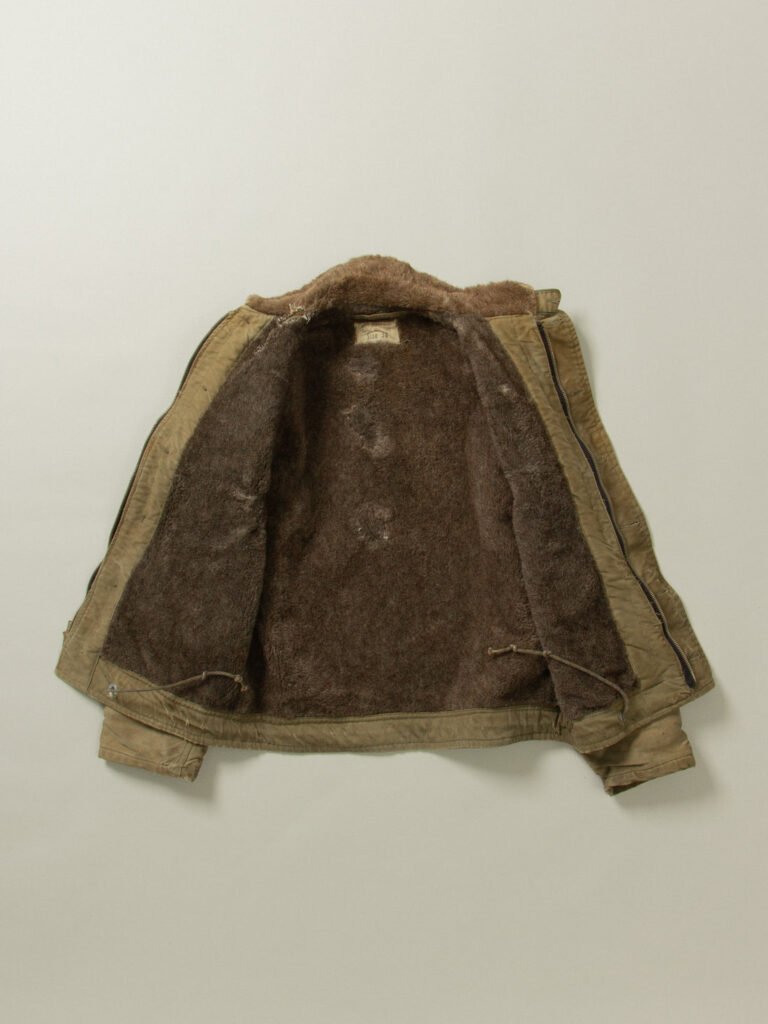
Early wartime examples were produced in navy blue, reflecting traditional naval uniform colours. Later contracts shifted to olive or khaki tones, partly to reduce visibility and partly to simplify wartime production alongside other military clothing.
Because of this change, surviving navy blue N-1 jackets are relatively uncommon today and are particularly sought after by collectors.
The rest of the design focused on practicality. The jacket was cut short so it would not interfere with deck equipment. A high collar could be raised against wind and spray. Knit cuffs and a waist drawstring helped seal out cold air.
Nothing about the jacket was decorative. It was designed simply to keep crews warm while working on exposed decks.
Adaptation and Service Life
The N-1 remained in use through the Korean War.
As with many wartime garments, materials sometimes changed due to supply and cost. Alpaca linings were occasionally replaced or blended with other fibres, and later contracts introduced synthetic alternatives.
These adjustments reflected production realities rather than a major redesign.
By the Cold War period newer clothing systems offered improved weather protection. As those systems became standard issue, the N-1 gradually disappeared from naval service.
Civilian Use and Reproduction
Like many military garments, the N-1 found a second life after the war.
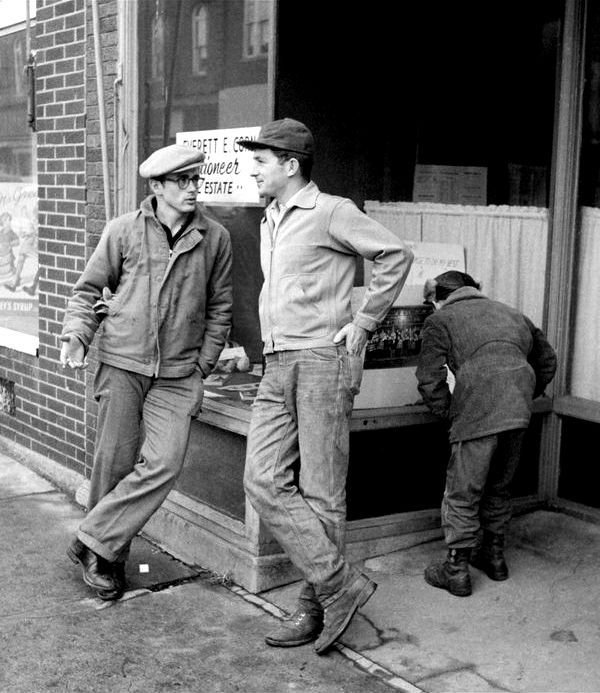
Large quantities of surplus clothing entered civilian markets, where the jacket was valued for its durability and warmth rather than its military associations.
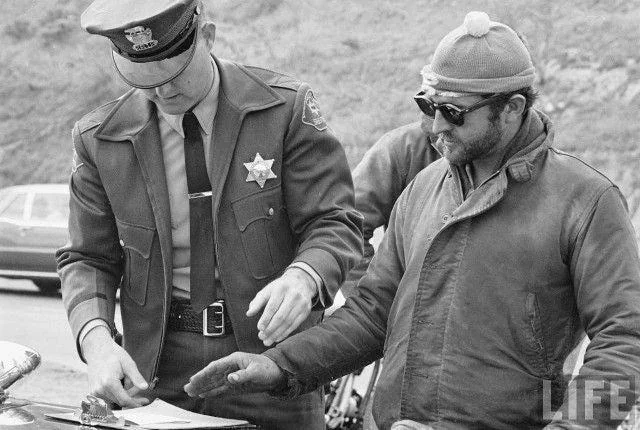
Decades later the design attracted renewed attention, particularly in Japan. Manufacturers began studying original examples and producing reproductions based closely on wartime specifications.
Brands such as Freewheelers and The Real McCoy’s became known for particularly accurate versions.
Conclusion
The N-1 deck jacket remains relevant largely because of its clarity of purpose.
It was designed to solve a specific problem for sailors working in harsh conditions on exposed decks. The result was a garment that prioritised durability, warmth and mobility above everything else.
That straightforward approach explains why the N-1 continues to be appreciated long after its original military role disappeared.
Further Reading
For readers interested in modern interpretations of the N-1 deck jacket, several manufacturers continue to produce reproductions based on wartime designs.
A selection of these makers is discussed in our article on the best modern N-1 deck jacket reproductions.
→ Read the article here