Southwestern Weaving Traditions
Blanket jackets trace their origins to the textile traditions of the American Southwest. Long before these fabrics appeared in Western clothing, Indigenous communities such as the Navajo and Pueblo were producing woven blankets using cotton and later wool.
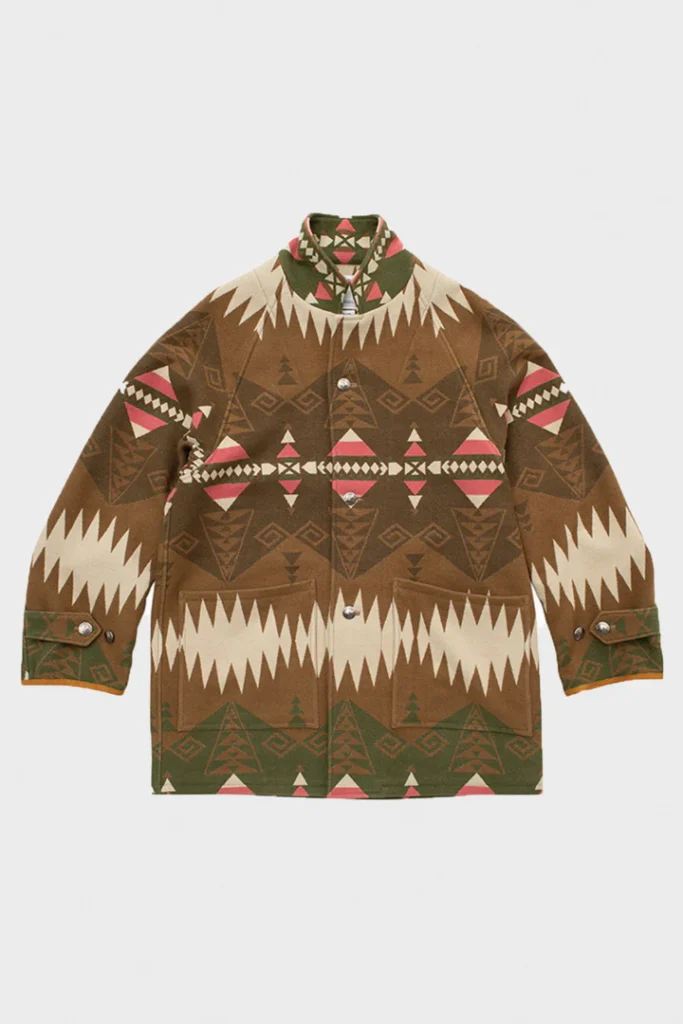
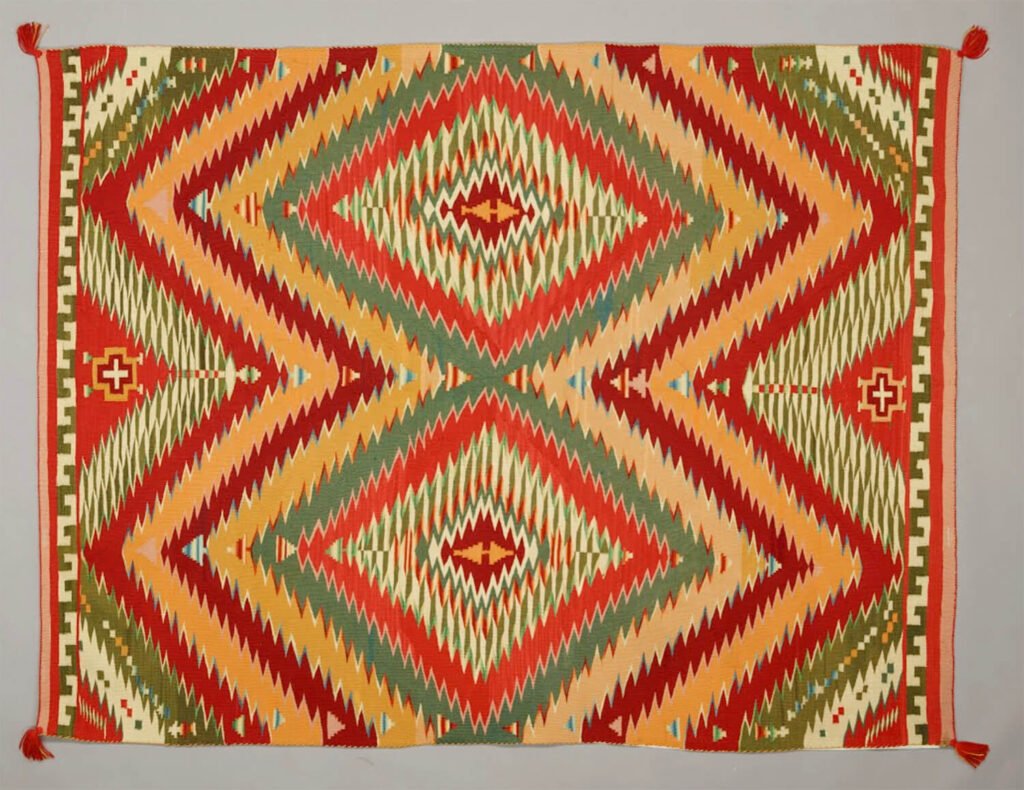
These textiles often featured bold geometric patterns and natural dyes. The distinctive diamond motifs and graphic compositions found in these blankets would later become closely associated with the visual language of Southwestern clothing.
Blanket Textiles
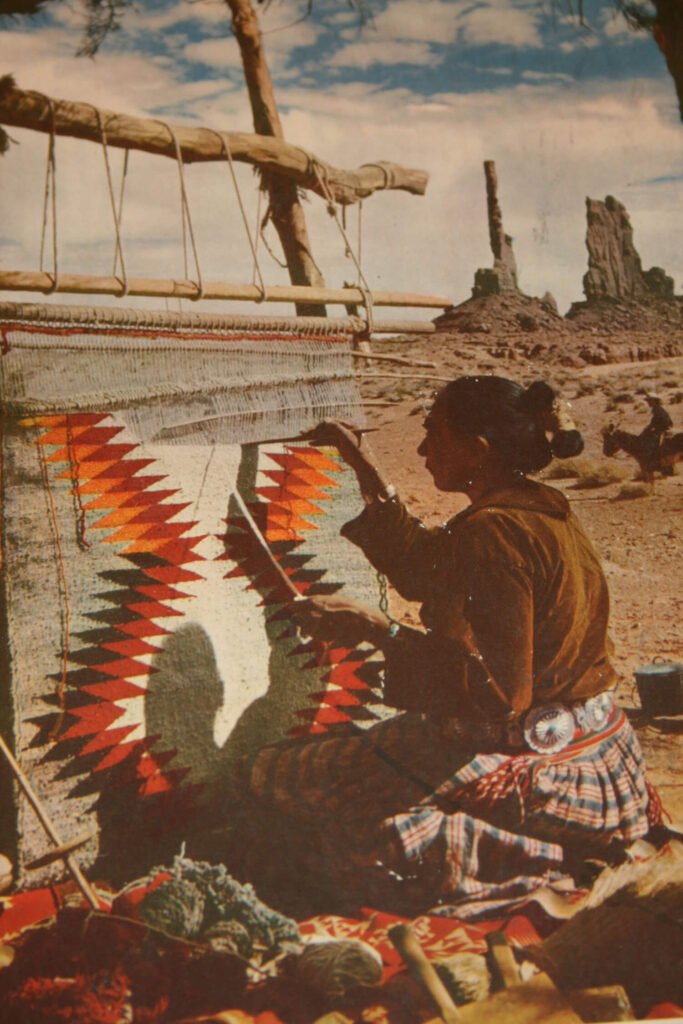
Woven blankets were central to life in the American Southwest. They served practical purposes as bedding, protection against the elements and trade goods, but they were also expressions of craftsmanship and cultural identity.
The bold geometric patterns of Navajo textiles became particularly influential. Over time, these patterns began to appear not only in blankets but also in garments connected to life on the frontier.
Vaqueros and Jerga
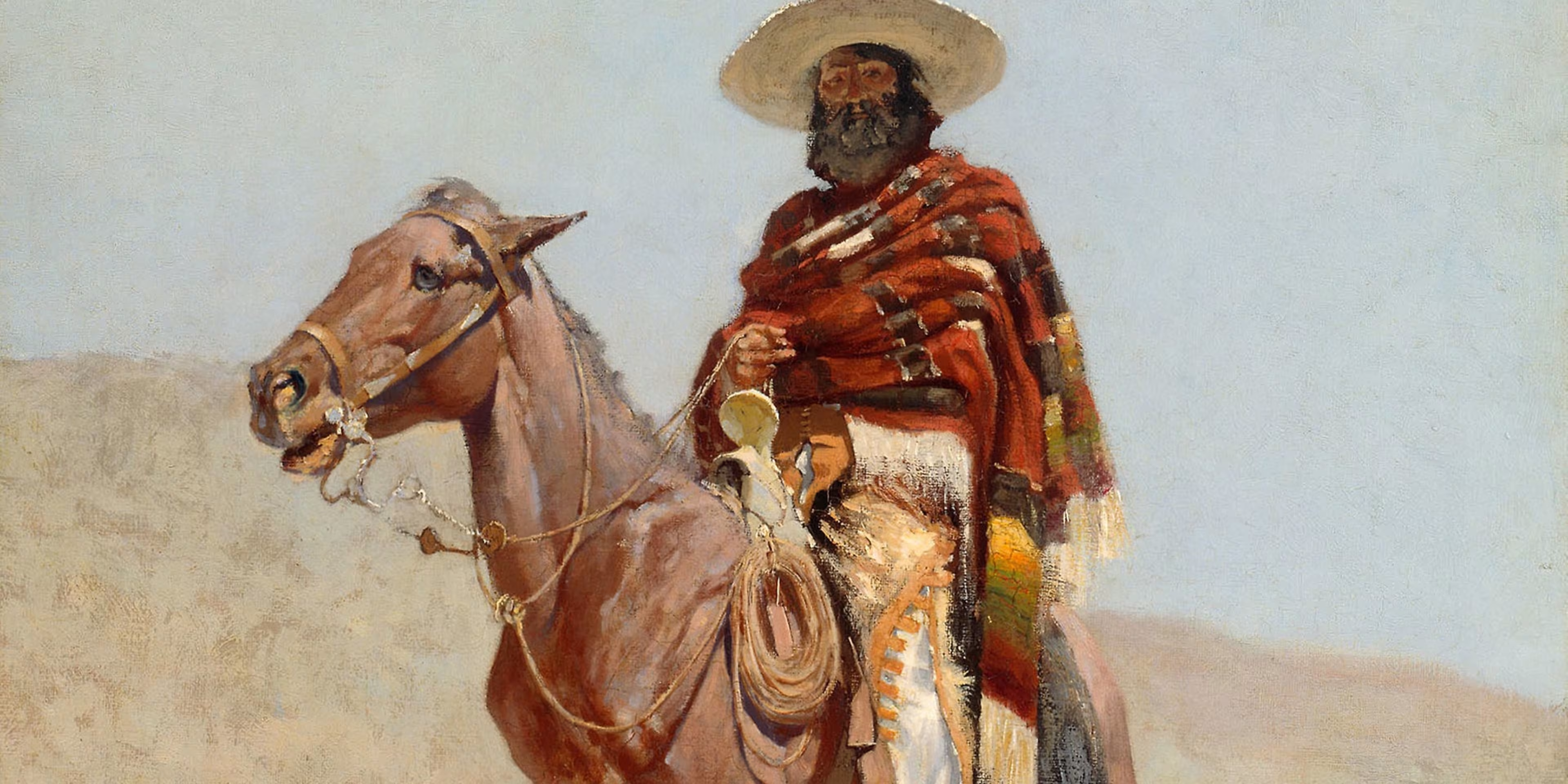
In northern Mexico and the American Southwest, ranchers and vaqueros wore garments made from jerga, a durable wool textile traditionally used for blankets and ponchos.
These fabrics provided warmth and protection while working on horseback. Jerga garments were practical, resilient and well suited to the demands of ranch life. As Hispanic and Indigenous cultures interacted throughout the region, textile traditions evolved and new patterns and decorative elements began to appear.
The Blanket Coat
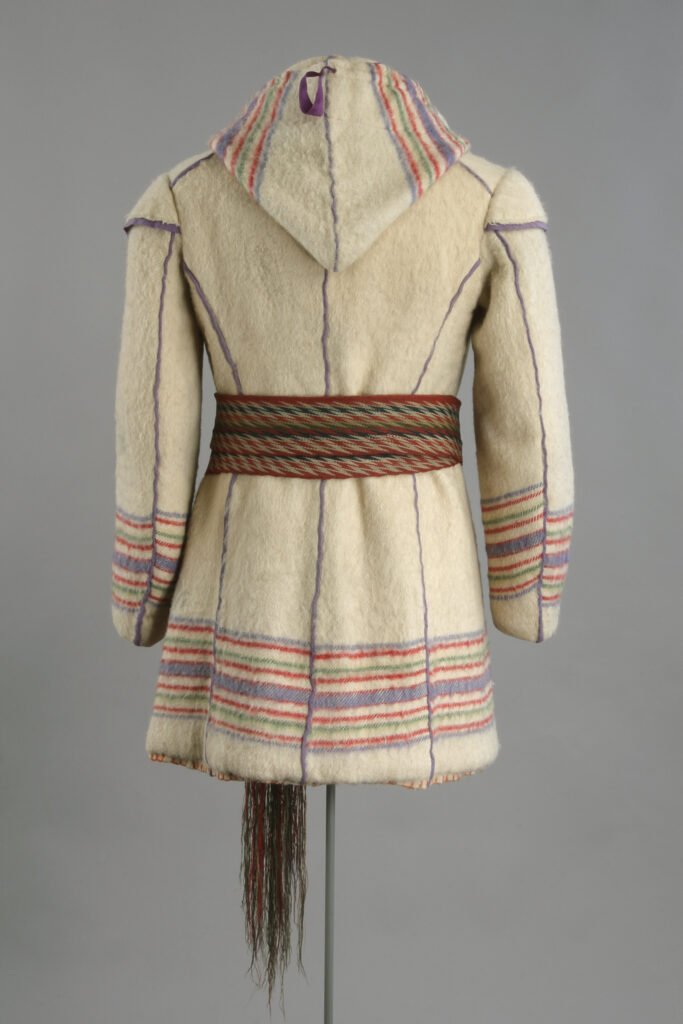
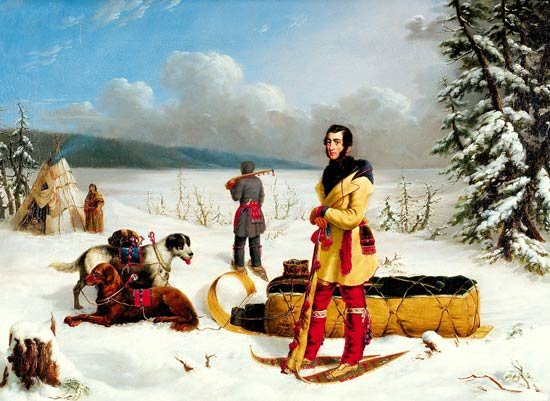
Further north, wool blankets were also turned into coats known as capotes. The term comes from the French word capot, meaning cloak.
These hooded coats became closely associated with French Canadian voyageurs and fur traders traveling through North America during the fur trade. Capotes were typically made from heavy wool blankets and provided warmth while allowing freedom of movement during long journeys.
Many capotes were tied closed using a long woven belt known as an Assomption sash, which became a recognizable part of frontier clothing.
From Blanket to Jacket
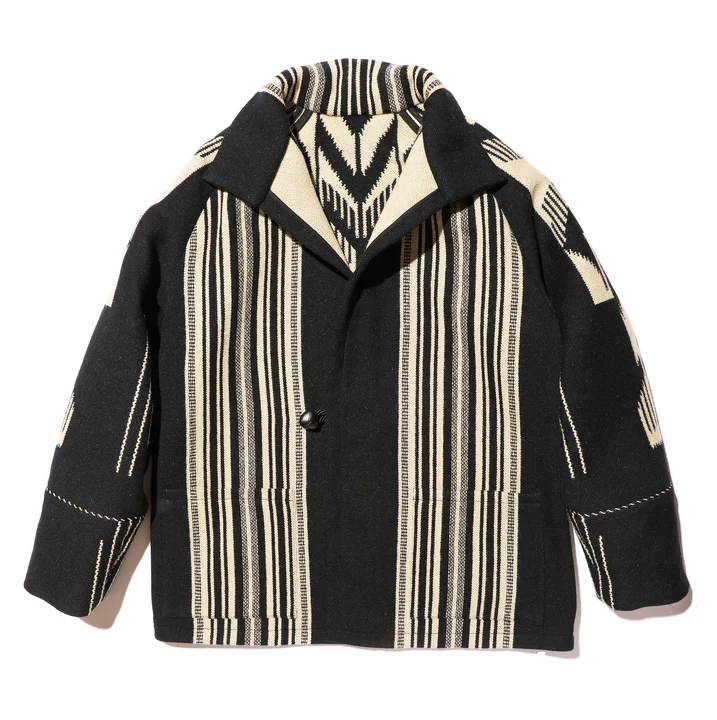
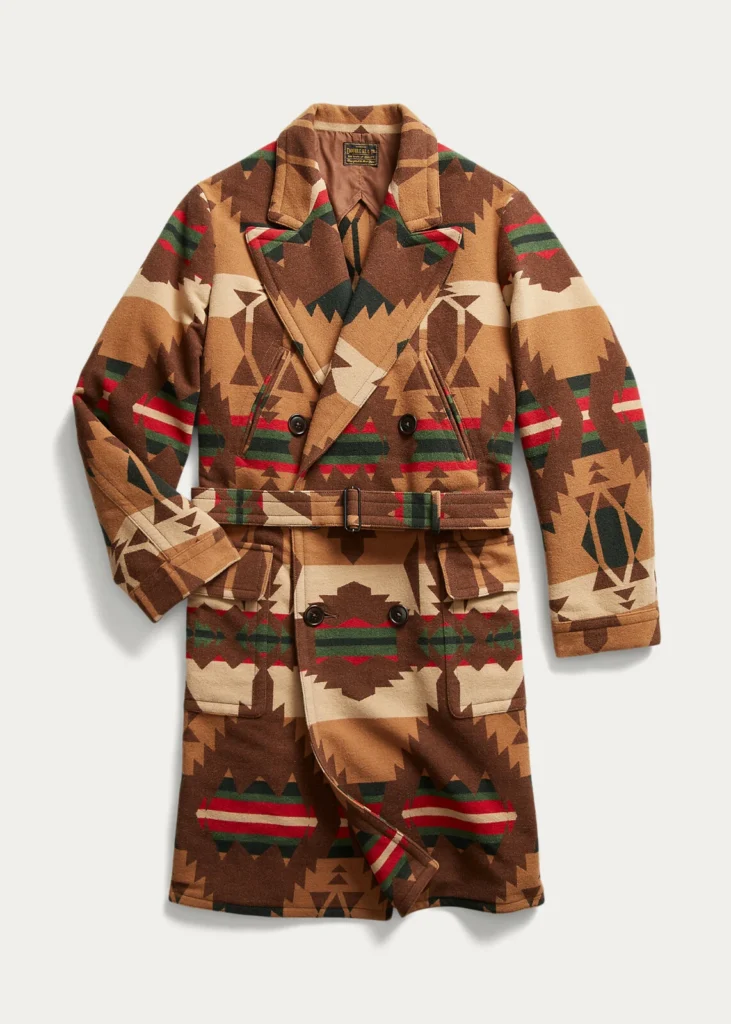
By the early twentieth century, woven Southwestern textiles began appearing in more tailored garments. Blanket patterns that had traditionally been used in woven textiles were adapted into structured jackets.
Vintage examples from the 1930s and 1940s show how these patterns moved from traditional blankets into Western-style outerwear. These jackets combined Indigenous textile traditions with frontier clothing and Western fashion.
Chimayo Weaving
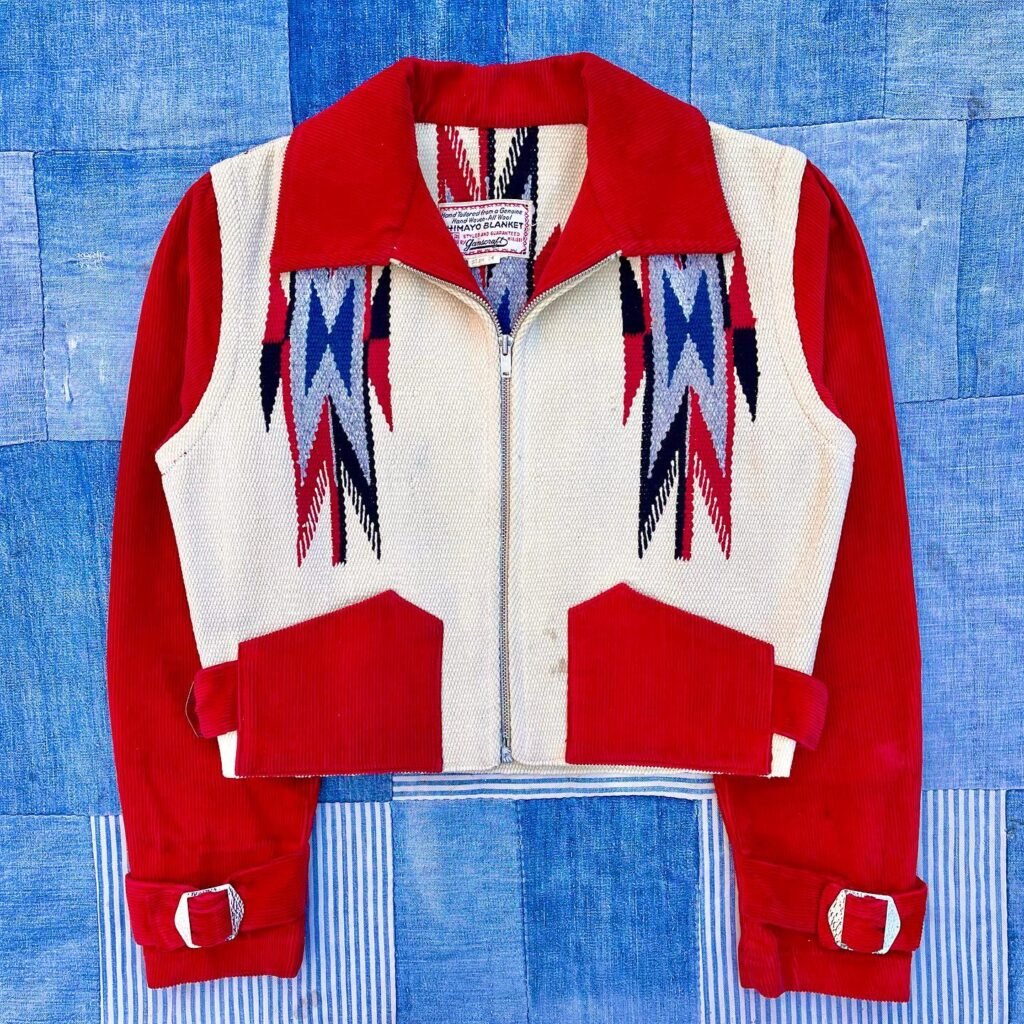
In northern New Mexico, the village of Chimayo became known for its distinctive weaving tradition. Chimayo textiles blend Hispanic and Native American influences and are recognized for their bold diamond motifs and vivid colors.
During the early twentieth century, these textiles became closely associated with Western clothing. Chimayo jackets and vests became popular as Southwestern culture gained visibility through tourism and Western films.
Modern Interpretations
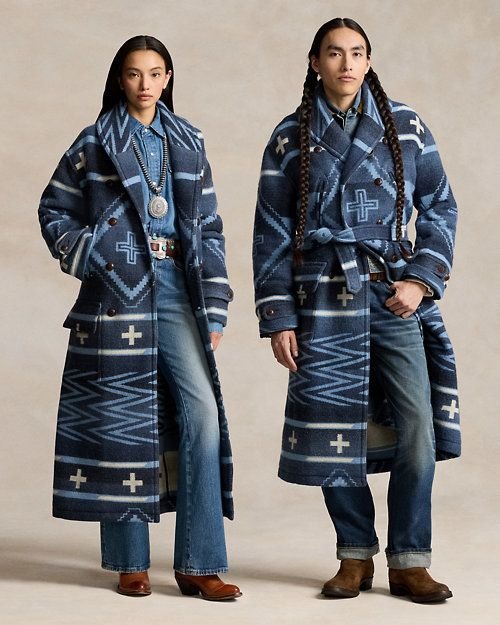
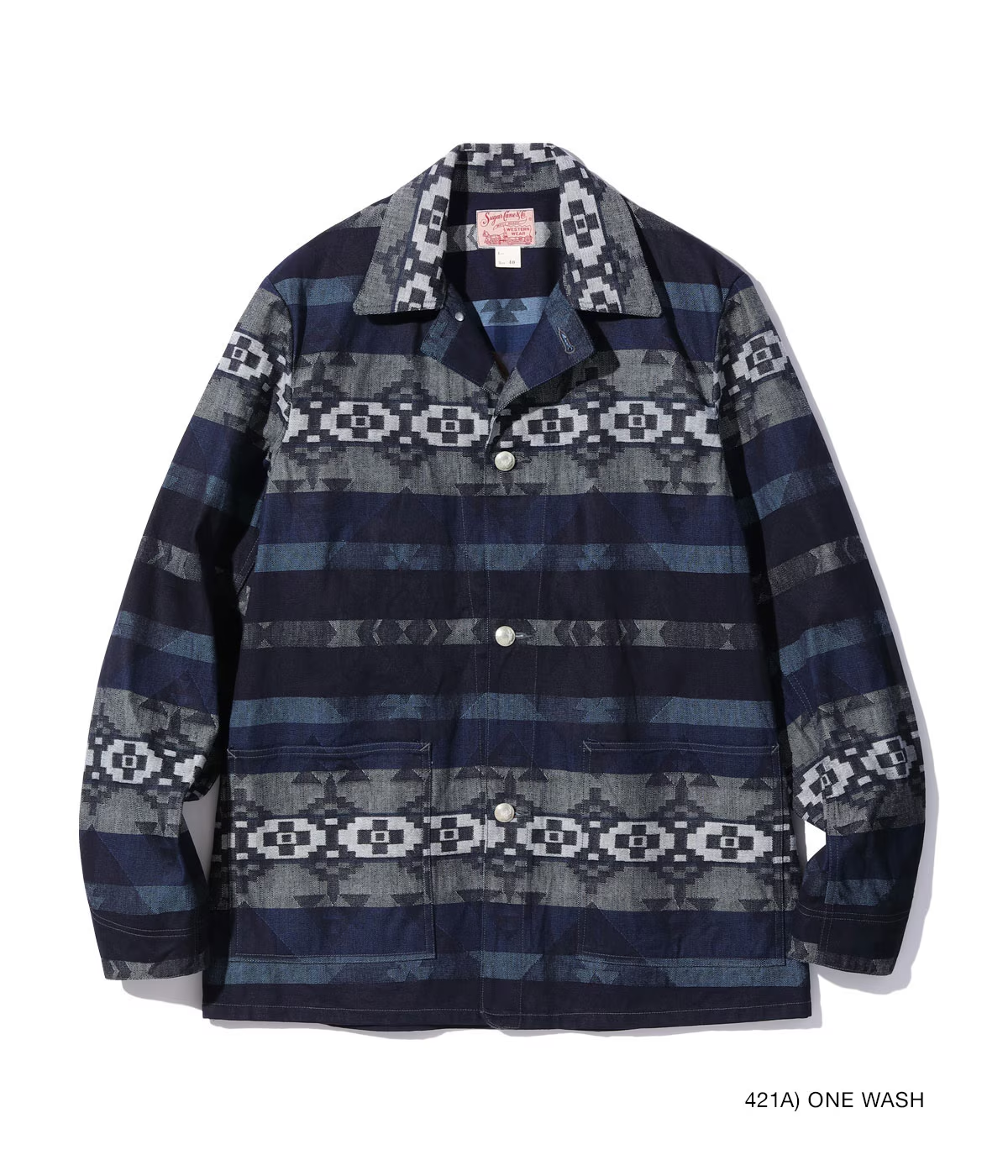
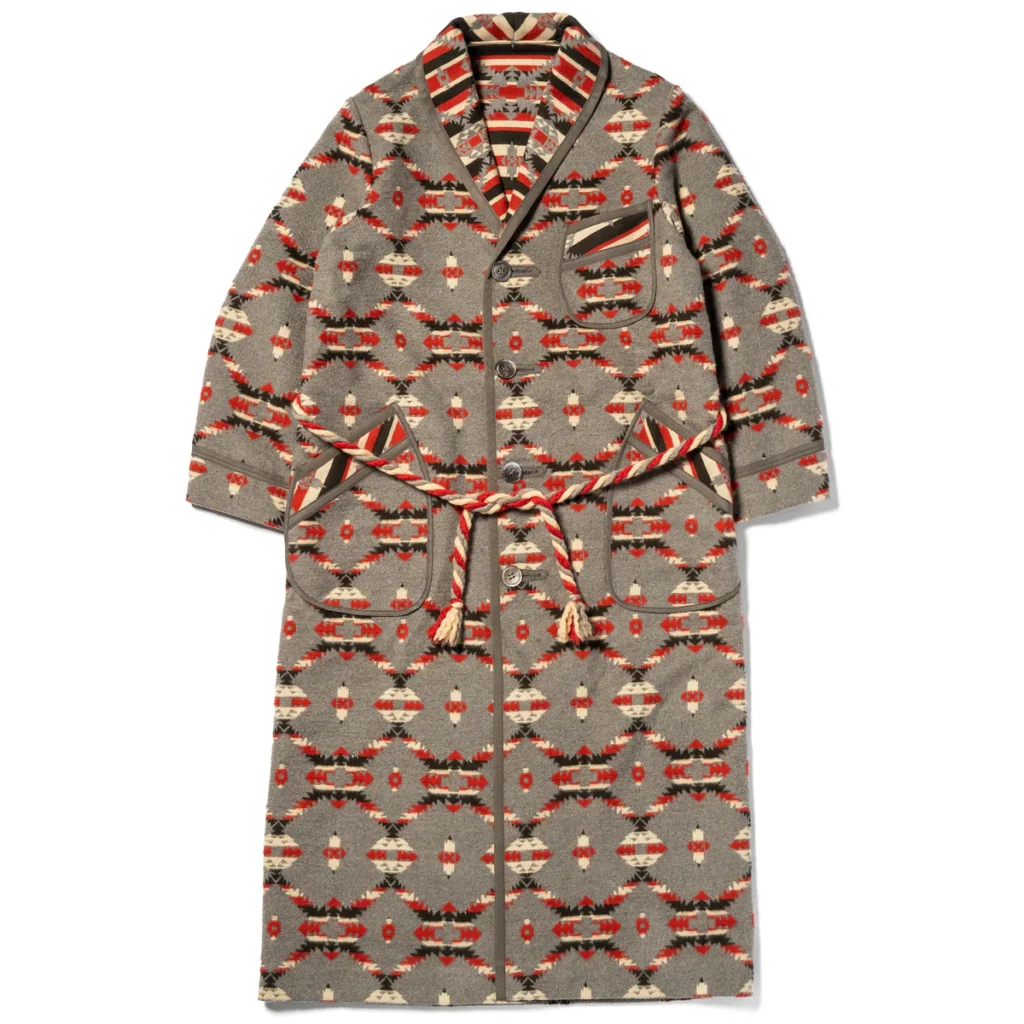
Today many heritage brands reinterpret these historic textiles through modern craftsmanship. The visual language of Southwestern weaving continues to influence contemporary menswear.
Brands such as:
continue to draw inspiration from historic blanket patterns and frontier garments.
These modern interpretations connect centuries-old textile traditions with contemporary heritage menswear.