Freewheelers is one of the more complex and less accessible brands within Japanese heritage clothing.
Founded in 2009 by Atsushi Yasui, formerly of The Real McCoy’s, the brand evolved out of an earlier project known as The Bootleggers.
While many Japanese brands focus on recreating recognizable vintage garments, Freewheelers takes a different approach—one based on reference and reinterpretation rather than strict reproduction.
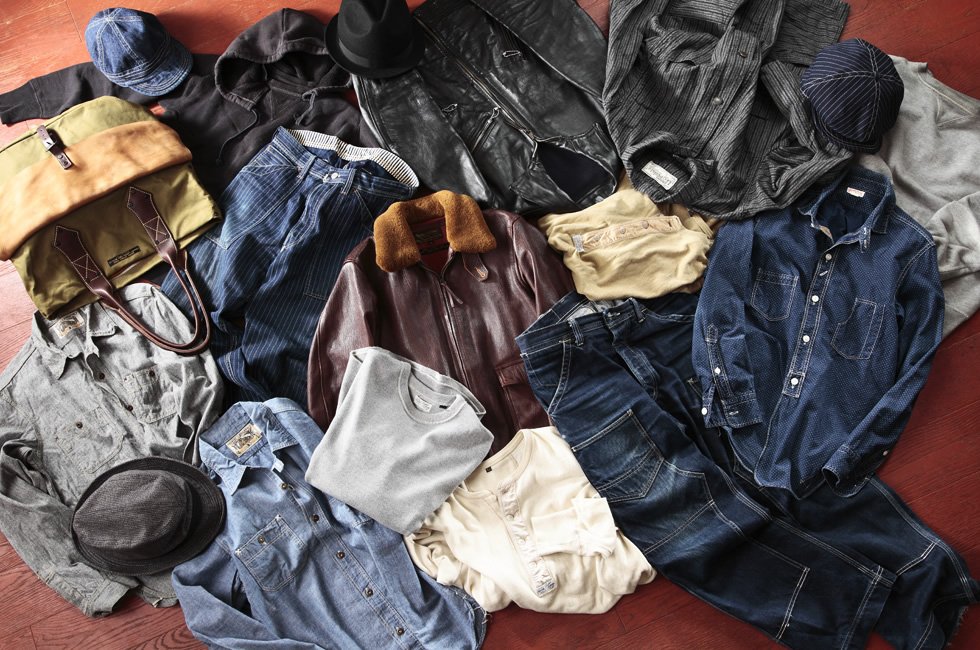
Reference Rather Than Reproduction
Freewheelers does not treat vintage clothing as something to be copied directly.
Instead, garments are developed from specific references, with the aim of capturing the broader context in which they were originally worn. This includes not only construction and materials, but also the environment and purpose of the clothing.
Workwear, military garments, motorcycle clothing, and outdoor wear all serve as starting points, rather than fixed templates.
Rather than focusing on a single era, the brand draws from multiple periods, combining elements where needed to achieve a specific result.
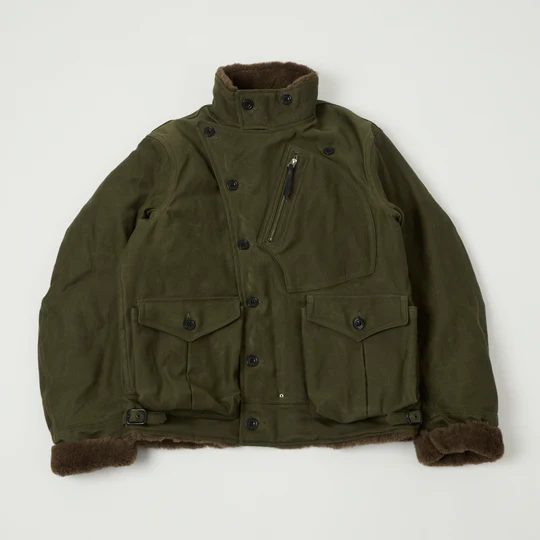
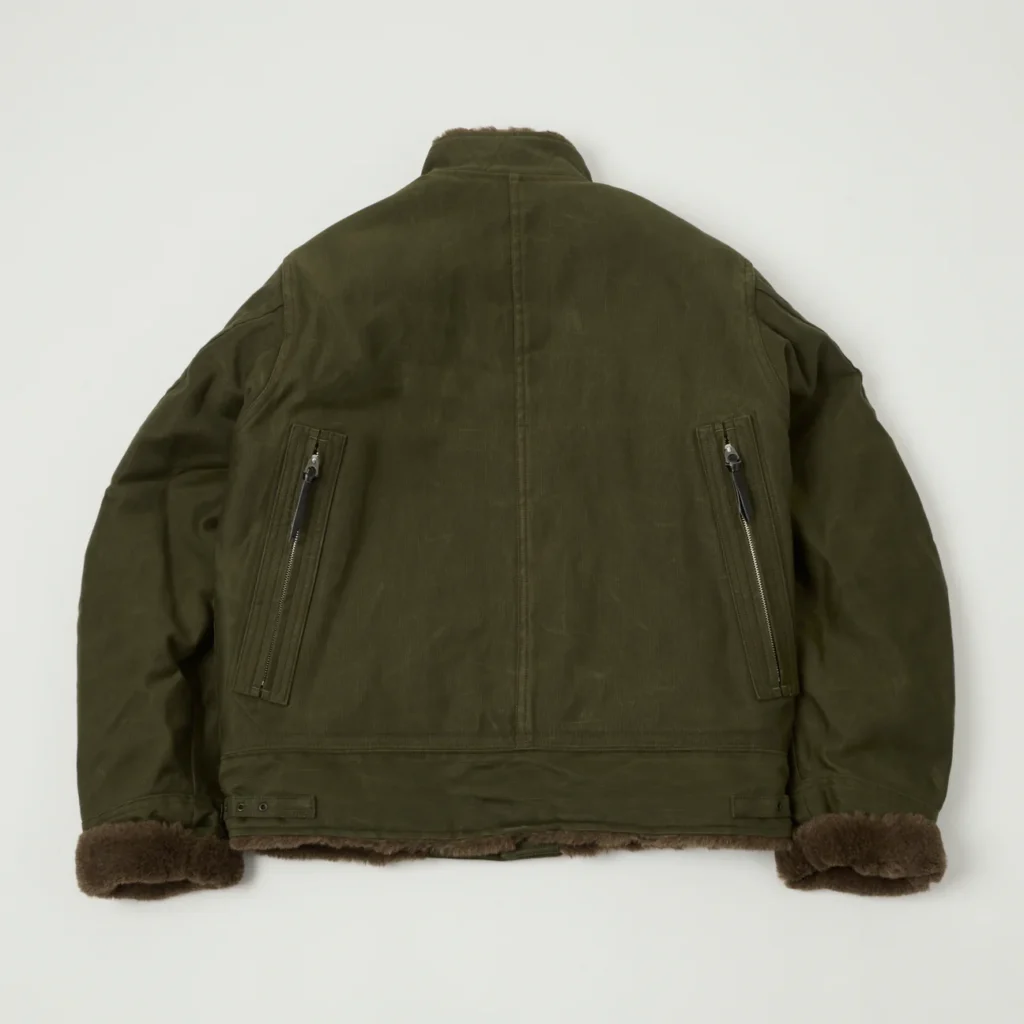
A System of Sub-Labels
One of the defining characteristics of Freewheelers is its structure.
The brand operates through multiple sub-labels, each with a distinct historical and functional focus:
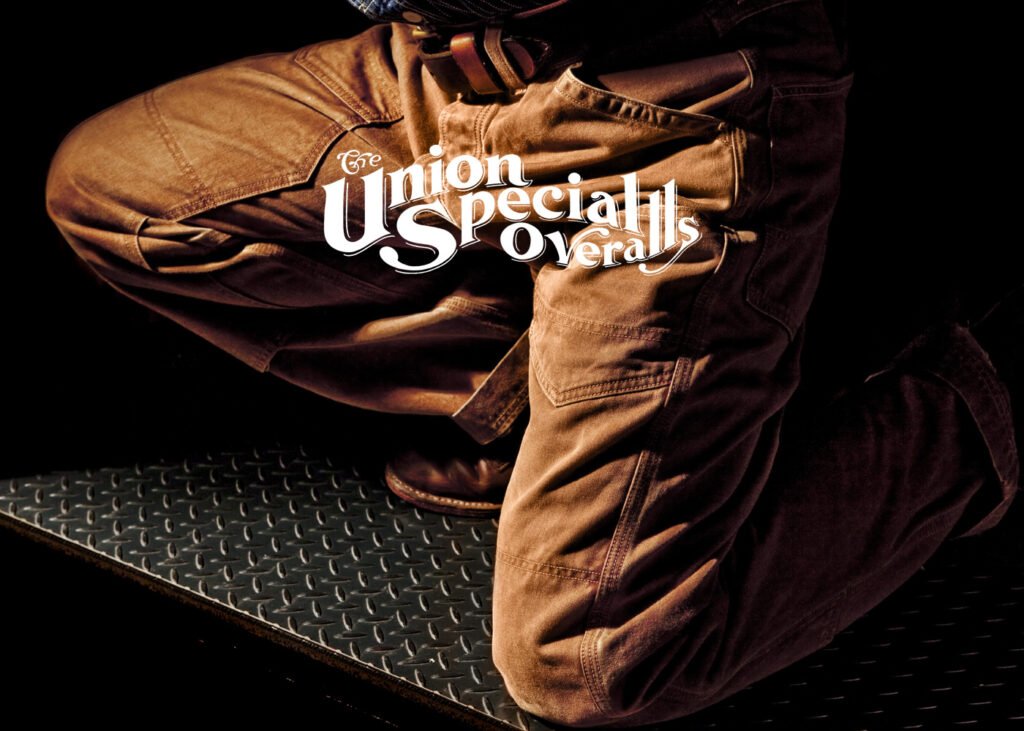
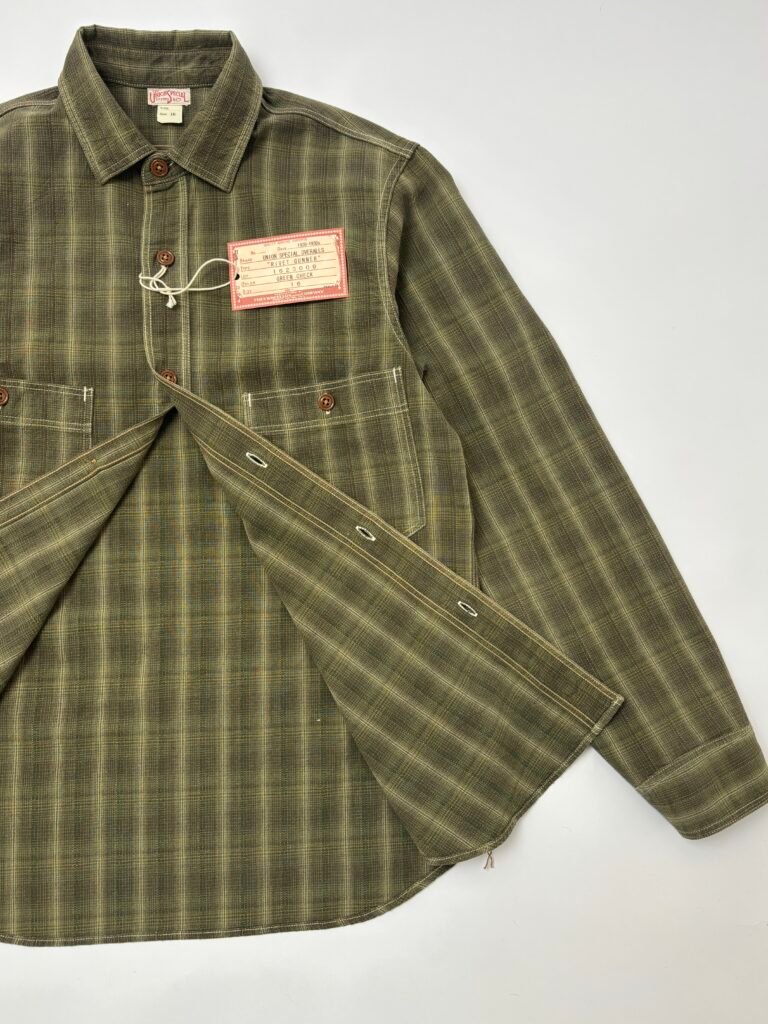
- Union Special Overalls — late 19th to early 20th century workwear
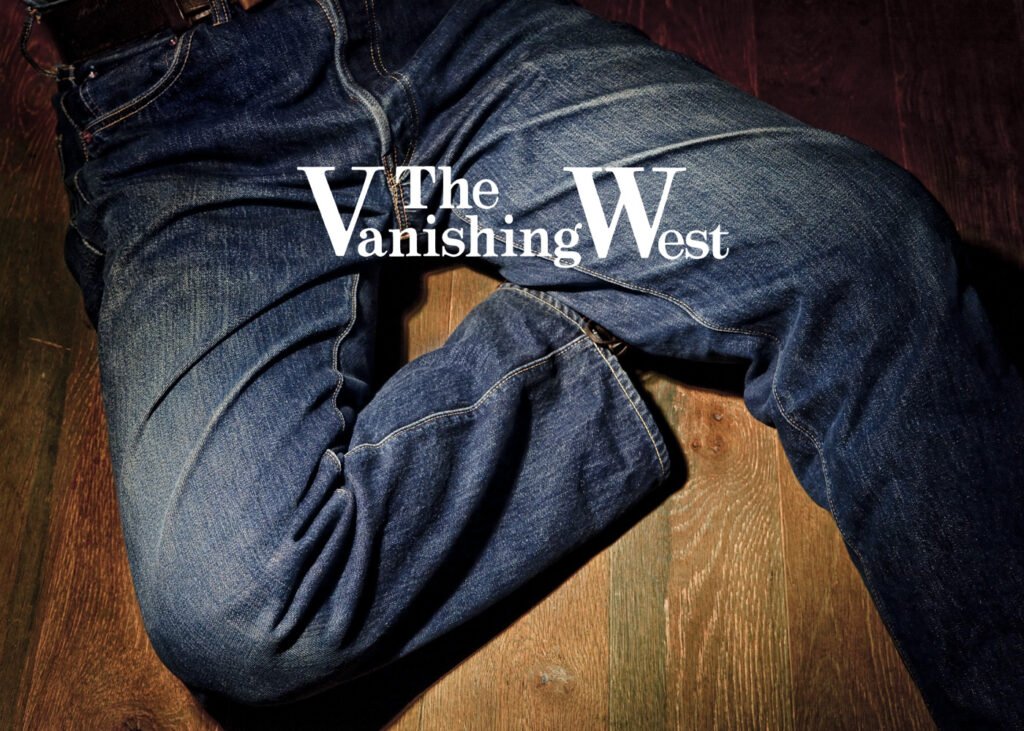
- Vanishing West — American frontier and western garments
- Great Lakes Gmt. Mfg. Co. — early industrial workwear
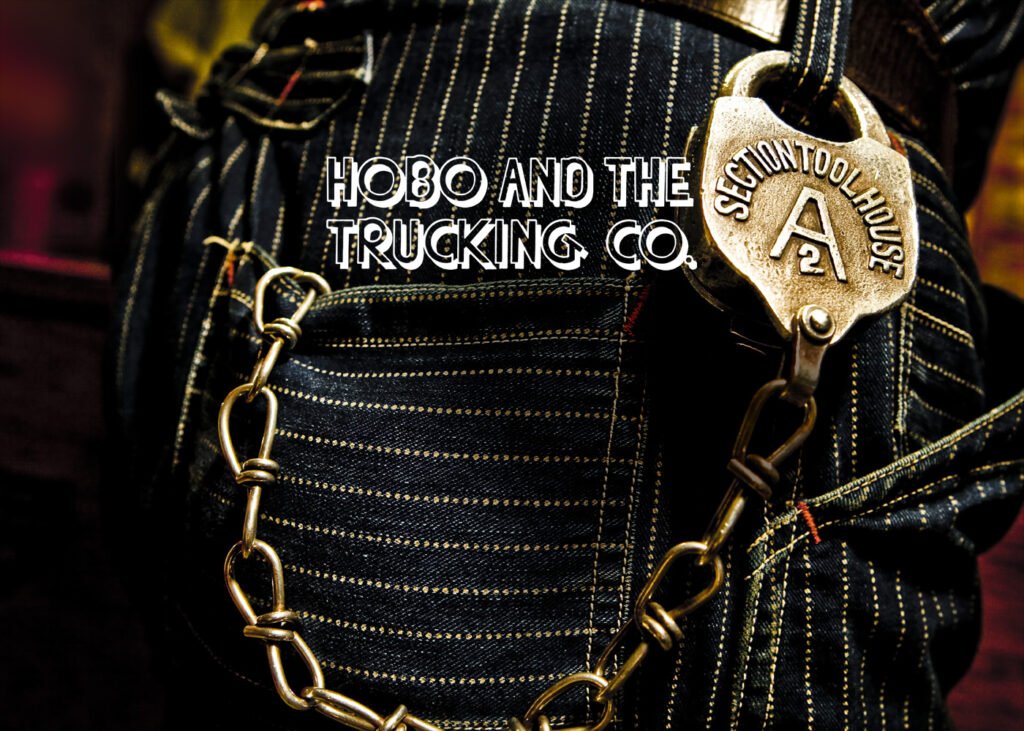
- Neal Cassady Railroad — railroad and mechanical workwear
- Power Wear — knitwear and sportswear
Each line has its own materials, patterns, and references, which makes the overall brand more complex than most reproduction labels.
Materials and Construction
A defining aspect of Freewheelers garments is the development of proprietary fabrics.
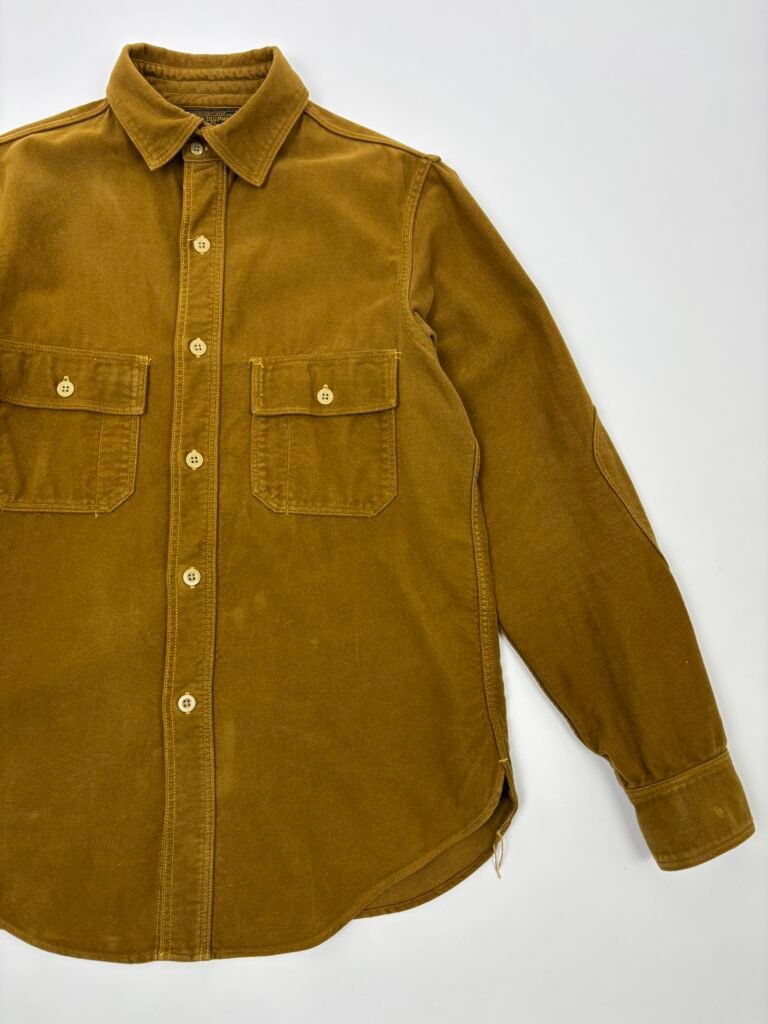
Rather than relying on standard reproduction textiles, the brand develops materials that reflect the intended use and feel of the original garments. This includes differences in texture, weight, and structure.
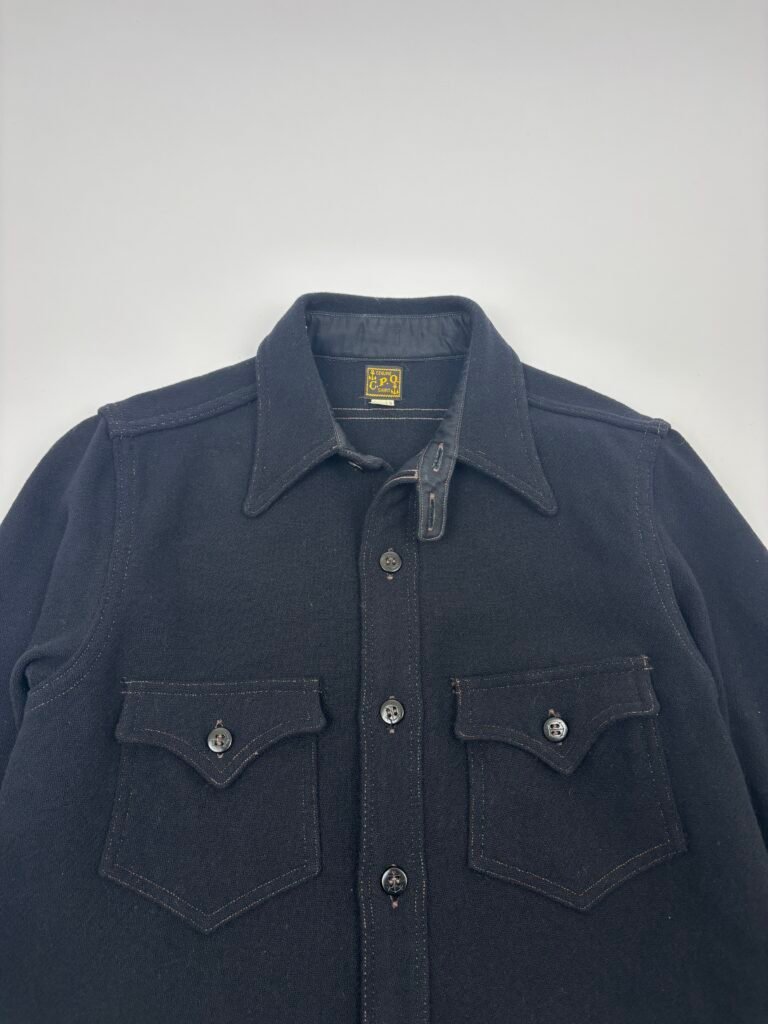
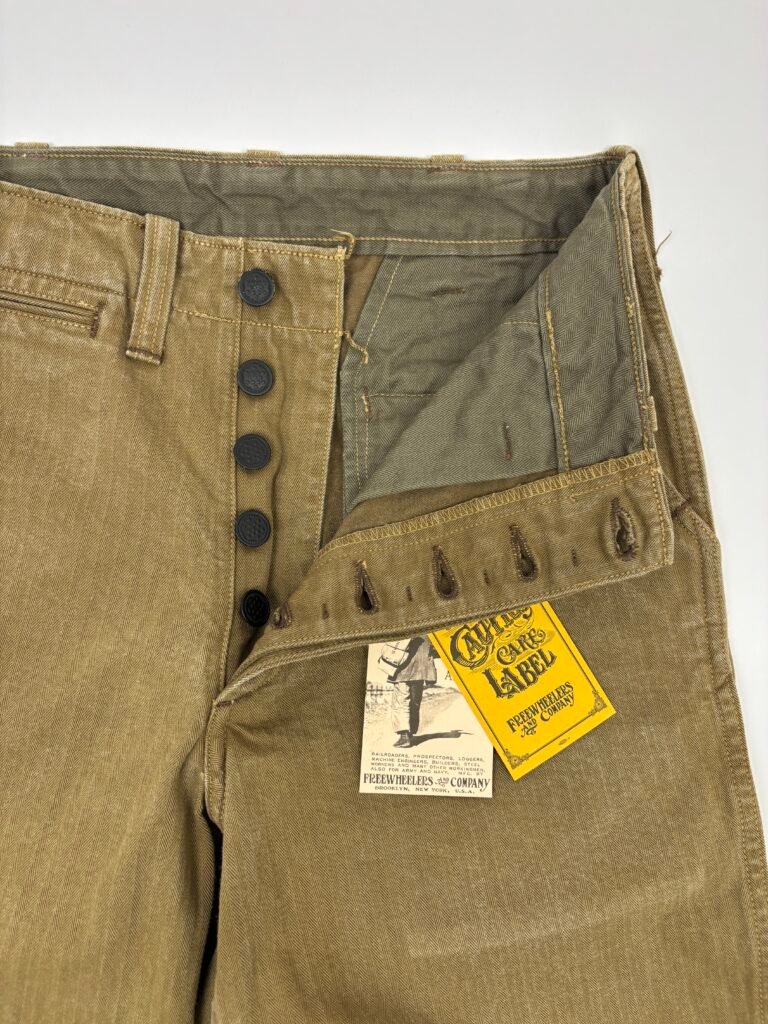
Pattern construction follows a similar approach. Instead of replicating widely known templates, garments are often based on specific vintage references, resulting in subtle variations in:
- pocket placement
- seam construction
- overall silhouette
These differences are rarely obvious at first glance, but become more apparent when handled directly.
Beyond Reproduction: Capturing Atmosphere
Freewheelers places emphasis not only on the garments themselves, but on the context in which they existed.
The aim is not to recreate a specific item, but to reflect the environment and purpose behind it. This includes influences from different aspects of American clothing history, as well as broader cultural movements.
The brand has a known affinity for the Beat Generation, reflecting an interest in themes of movement, individuality, and non-conformity. While this influence is not always visible in individual garments, it contributes to the overall direction of the brand.
Functional Origins
At its core, Freewheelers remains rooted in functional American clothing.
Garments are based on categories such as:
- workwear
- military clothing
- outdoor garments
- motorcycle wear
These were originally designed with durability and practicality in mind. Freewheelers uses these foundations as a starting point, rather than an end result.
Availability and the Secondary Market
Distribution outside Japan remains limited, with only a small number of retailers carrying the brand internationally, including Son of a Stag and Brogue Shop.
As a result, many pieces are difficult to source.
Due to the level of construction and material quality, garments tend to age well over time. This makes second-hand pieces a practical option, particularly for those looking to access the brand outside Japan.
Occasionally, pieces are available through BedfordCord.store.